Construction safety goes beyond compliance. It directly impacts cost, schedule, reputation, and most importantly, lives. While safety is often seen as the contractor’s responsibility, owners play a critical role in shaping outcomes.
That influence starts early when selecting a construction manager (CM). The expectations owners set, and the partners they choose, directly impacting how safety is planned, communicated, and executed throughout the project lifecycle. By asking the right questions upfront, owners can ensure safety is embedded from day one, not treated as an afterthought.
Defining a Strong Safety Culture
Before evaluating a construction manager, it’s important to understand what a strong safety culture looks like in practice.
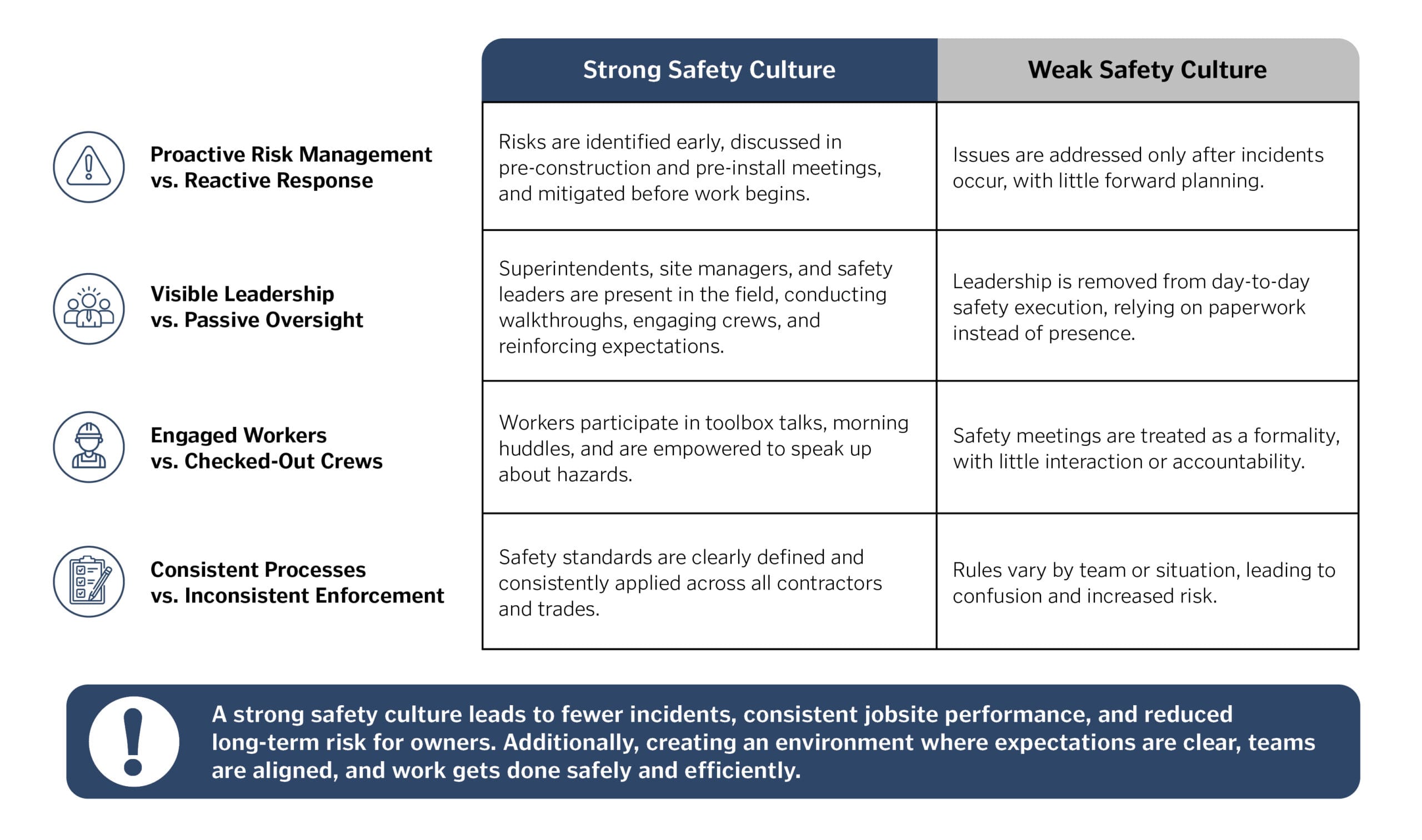
A strong safety culture goes beyond OSHA requirements and written policies; it shows up in how safety is prioritized day-to-day, both in planning and in the field. For owners, the real differentiator isn’t what’s documented, but what’s consistently demonstrated.
Hallmarks of a Strong vs. Weak Safety Culture
What Owners Should Ask Before Hiring a Construction Manager
Now that we’ve outlined what a strong safety culture looks like, the next step is knowing how to assess it when selecting a CM.
This isn’t about checking boxes; it’s about asking the right questions to understand how safety is managed day-to-day. The following areas will help guide more informed, confident decision-making.
1. Safety Program & Approach
A CM’s safety program should demonstrate structure, consistency, and integration into every phase of the project, not just a standalone document.
Questions to Ask:
- What does your safety plan include, and how is it customized for each project?
- How do you ensure subcontractors align with and follow your safety standards?
- How is safety incorporated into pre-construction and pre-install meetings?
- What does your planning process look like for high-risk activities?
- How do you identify and mitigate risks before work begins?
- Can you walk us through a recent example where pre-planning prevented a safety issue?
- How do you handle subcontractors who repeatedly violate safety expectations?
2. Key Metrics (Understand the Numbers, But Go Deeper)
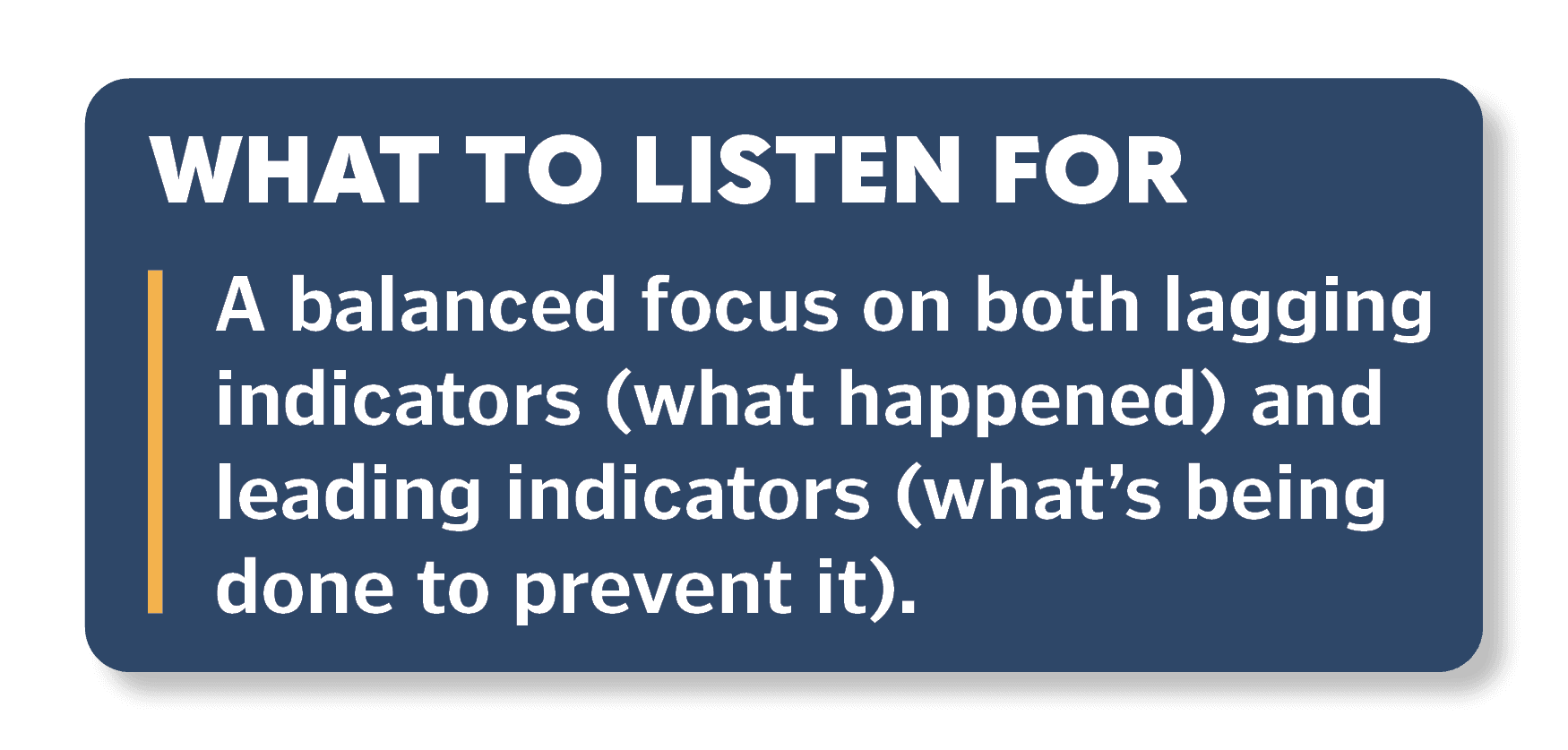
Lagging indicators like EMR, TRIR, and DART provide helpful context, but they only tell part of the story.
- EMR (Experience Modification Rate): Measures insurance risk based on past claims vs. industry average
- TRIR (Total Recordable Incident Rate): OSHA-recordable incidents per 100 workers
- DART (Days Away, Restricted, or Transferred): Incidents impacting a worker’s ability to perform normal duties
Questions to Ask:
- What are your EMR, TRIR, and DART rates, and how have they trended over time?
- What leading safety indicators do you track?
- How do you respond when these metrics trend in the wrong direction?
- How many site observations, safety walks, or near-miss reports do you log per project?
- How do you measure engagement in safety meetings or toolbox talks?
3. OSHA History & Continuous Improvement
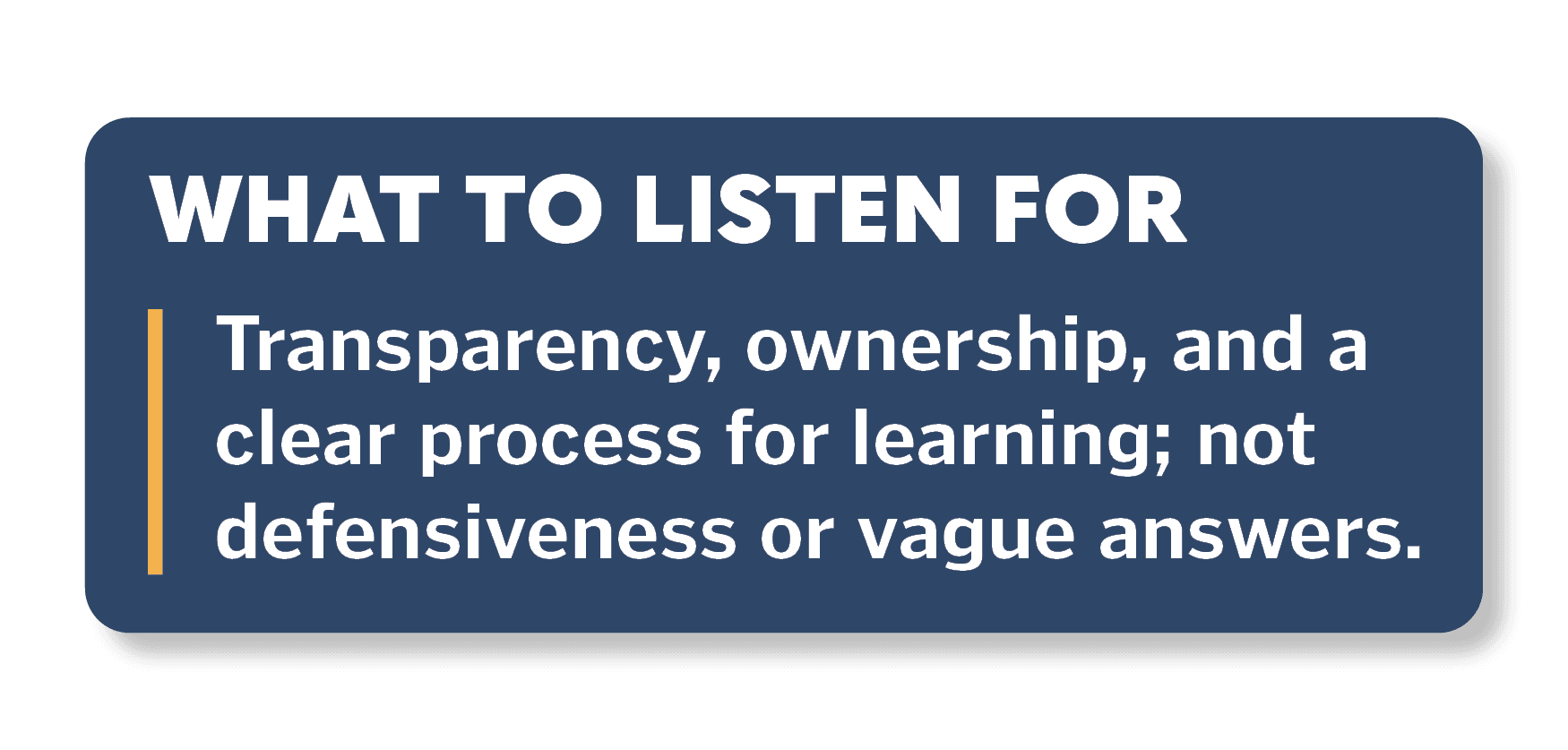
Past challenges can be valuable if they lead to meaningful improvement.
Questions to Ask:
- What systems are in place to ensure accountability and follow-through?
- Have you had any OSHA citations?
- If so, what were the root causes, and what changes were made as a result?
- How do you ensure lessons learned are applied across future projects?
- How do you investigate incidents or near-misses?
- How are findings communicated across your teams and subcontractors?
4. Field Execution & Leadership
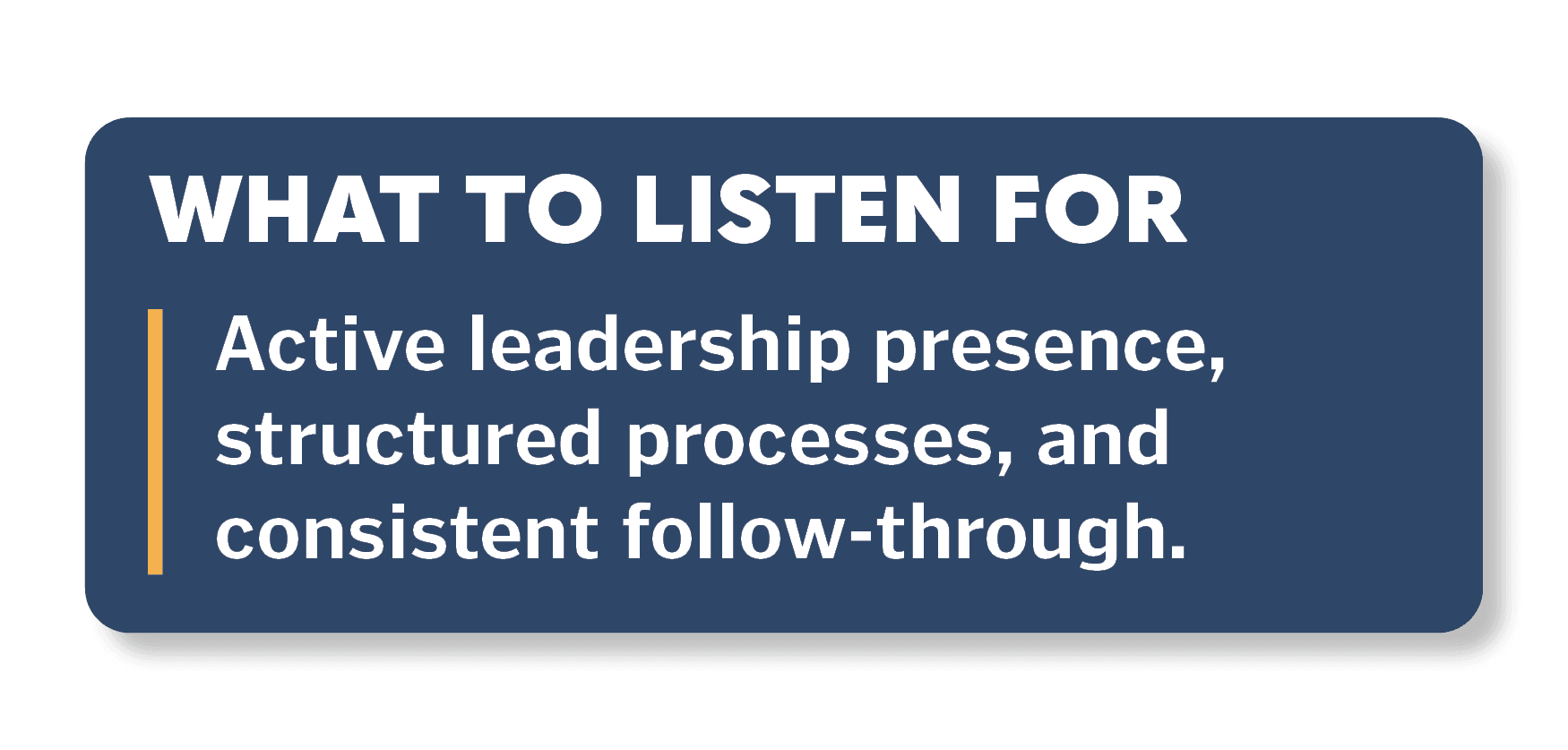
Strong safety programs are only effective if they are consistently executed in the field.
Questions to Ask:
- How often do your site leaders conduct safety walkthroughs?
- What role do superintendents and site managers play in enforcing safety expectations?
- How do you ensure consistency across multiple crews or trades?
- What does a typical week of safety oversight look like on your projects?
- How do you document and resolve issues identified during site walks?
- Can you share an example of leadership intervening to correct an unsafe condition?
5. Communication & Worker Engagement
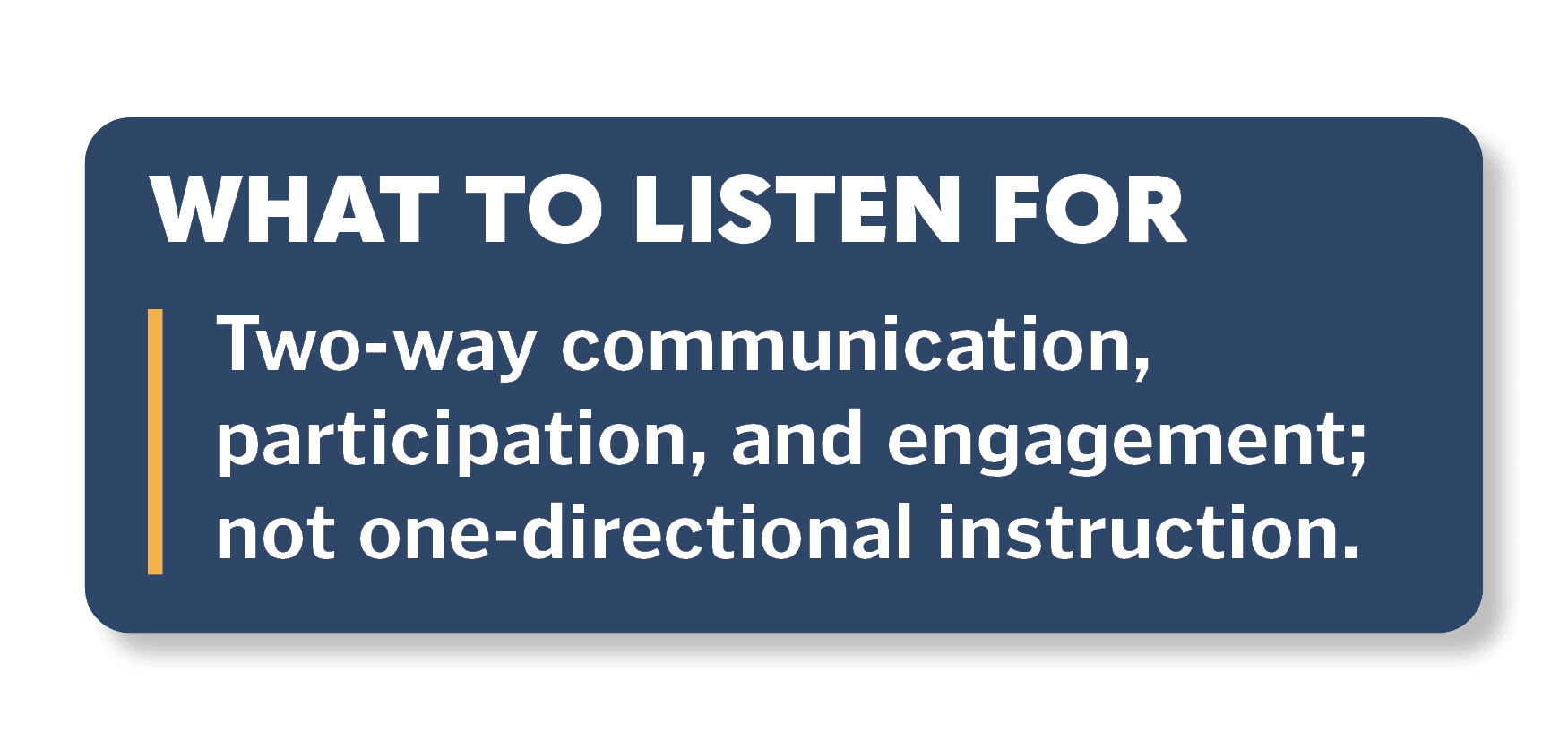
Safety is most effective when it’s clearly communicated and actively embraced by the entire team.
Questions to Ask:
- How are toolbox talks structured, and how often are they held?
- Do you conduct daily safety huddles or planning meetings?
- How do you encourage workers to speak up about potential hazards?
- How do you ensure safety messaging stays relevant to the work being performed?
- What methods do you use to engage workers beyond traditional meetings?
- How do you handle situations where workers raise concerns?
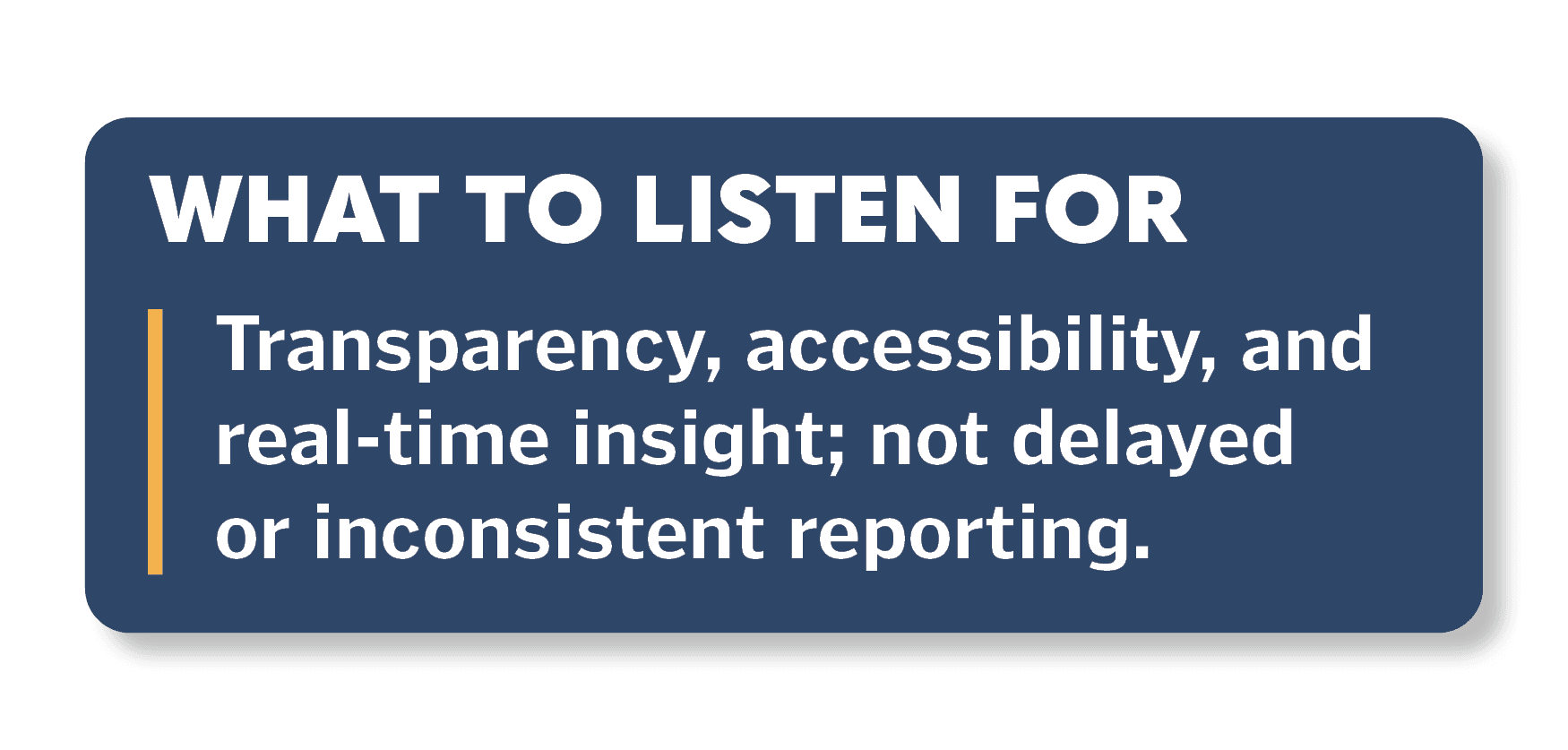
6. Technology, Reporting & Transparency
Modern safety programs should offer real-time visibility and accountability.
Questions to Ask:
- What tools or platforms do you use for safety tracking and reporting?
- How do owners gain visibility into safety performance during the project?
- How are incidents, observations, and corrective actions documented?
- How quickly are safety issues communicated to stakeholders?
- Can we see sample safety reports or dashboards?
- How do you ensure data accuracy and consistency across projects?
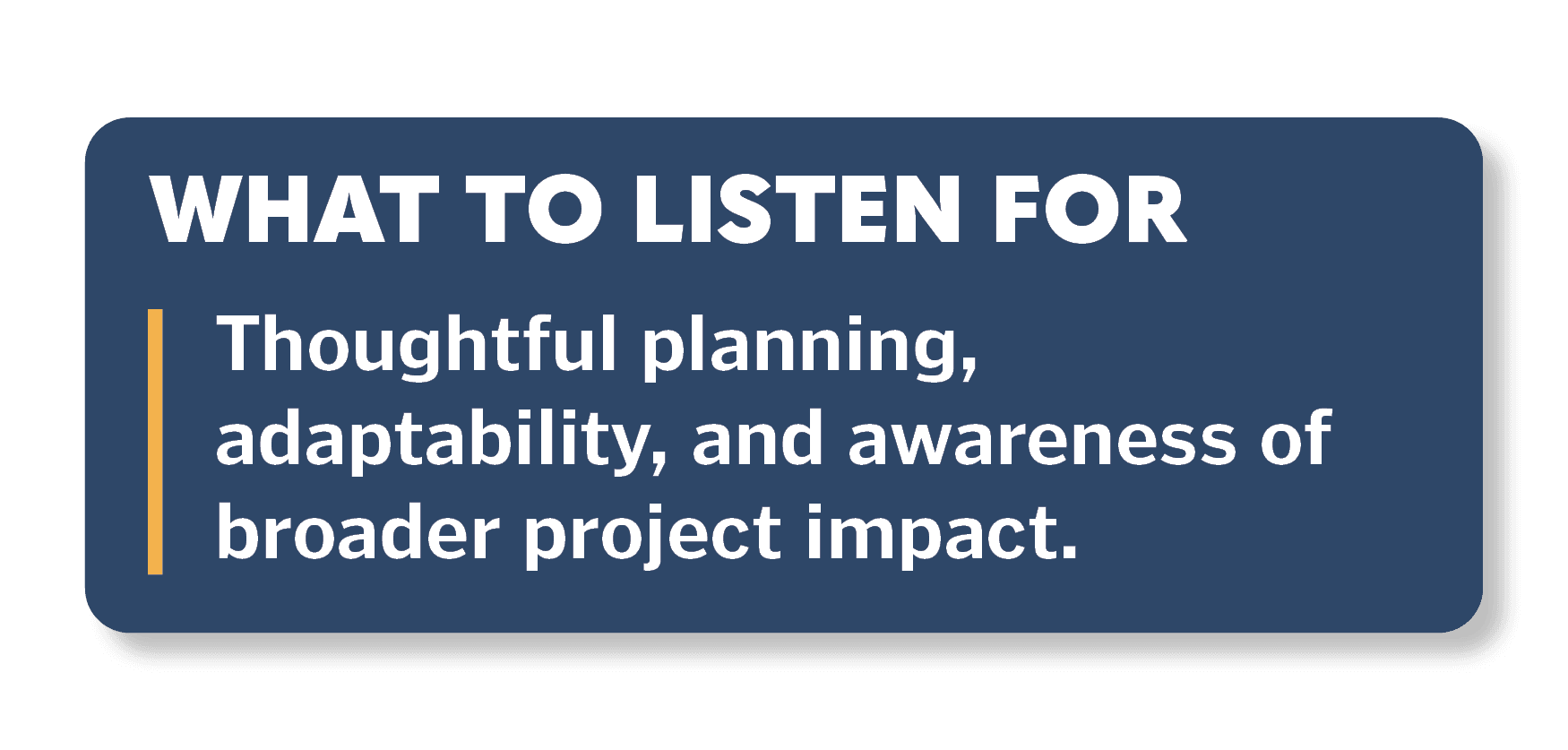
7. Site Logistics & Public Safety
Safety doesn’t stop at the jobsite boundary; owners should understand how the CM protects surrounding environments.
Questions to Ask:
- How do you plan site logistics (trailers, access points, parking)?
- What steps are taken to minimize disruption to surrounding operations or communities?
- How do you protect staff, students, or the public near the site?
- How do you manage pedestrian and traffic safety around the project?
- What specific measures are taken in occupied or sensitive environments?
- How do you adapt safety plans as site conditions change?
How ICS Elevates Safety on Every Project
At ICS, safety isn’t treated as a standalone function, it’s integrated into how projects are planned, staffed, and executed from the start.
Our approach emphasizes proactive risk identification, consistent field leadership, and real-time visibility for owners. That means:
- Dedicated field leadership presence, with superintendents actively engaged in daily safety execution
- Structured pre-planning processes that identify risks before work begins
- Consistent standards across all trades, ensuring alignment and accountability
- Transparent reporting tools, giving owners real-time insight into safety performance
Rather than reacting to issues, ICS focuses on preventing them, creating safer jobsites, more predictable schedules, and better overall outcomes for our clients.
Build Safety Into Your Next Project
Construction managers with a strong, established safety culture won’t just answer these questions; they’ll back them up with specific examples, clear processes, and measurable actions that demonstrate how safety is embedded into their work every day.
The cost of an accident goes far beyond immediate expenses, it affects schedules, reputation, long-term risk, and most importantly, people’s lives. When safety is prioritized early, projects run smoother, teams perform better, and risk is reduced.
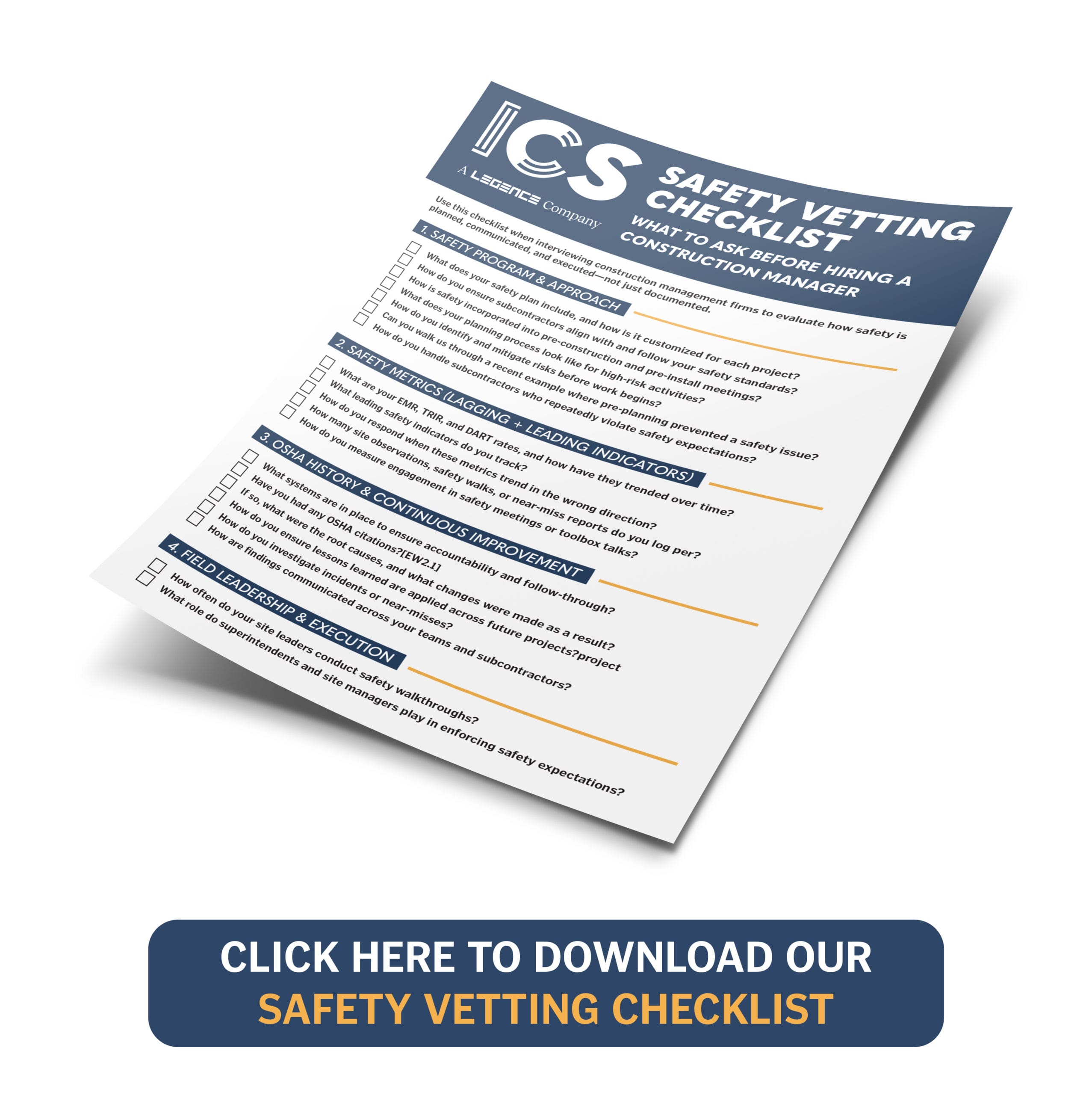
As you plan your next project, use these questions to guide your CM selection and prioritize partners who treat safety as a core value, not a checkbox. Strong safety culture leads to stronger project outcomes. If you’d like a downloadable Safety Program Checklist or want to explore how to strengthen safety on your next project, contact us today.